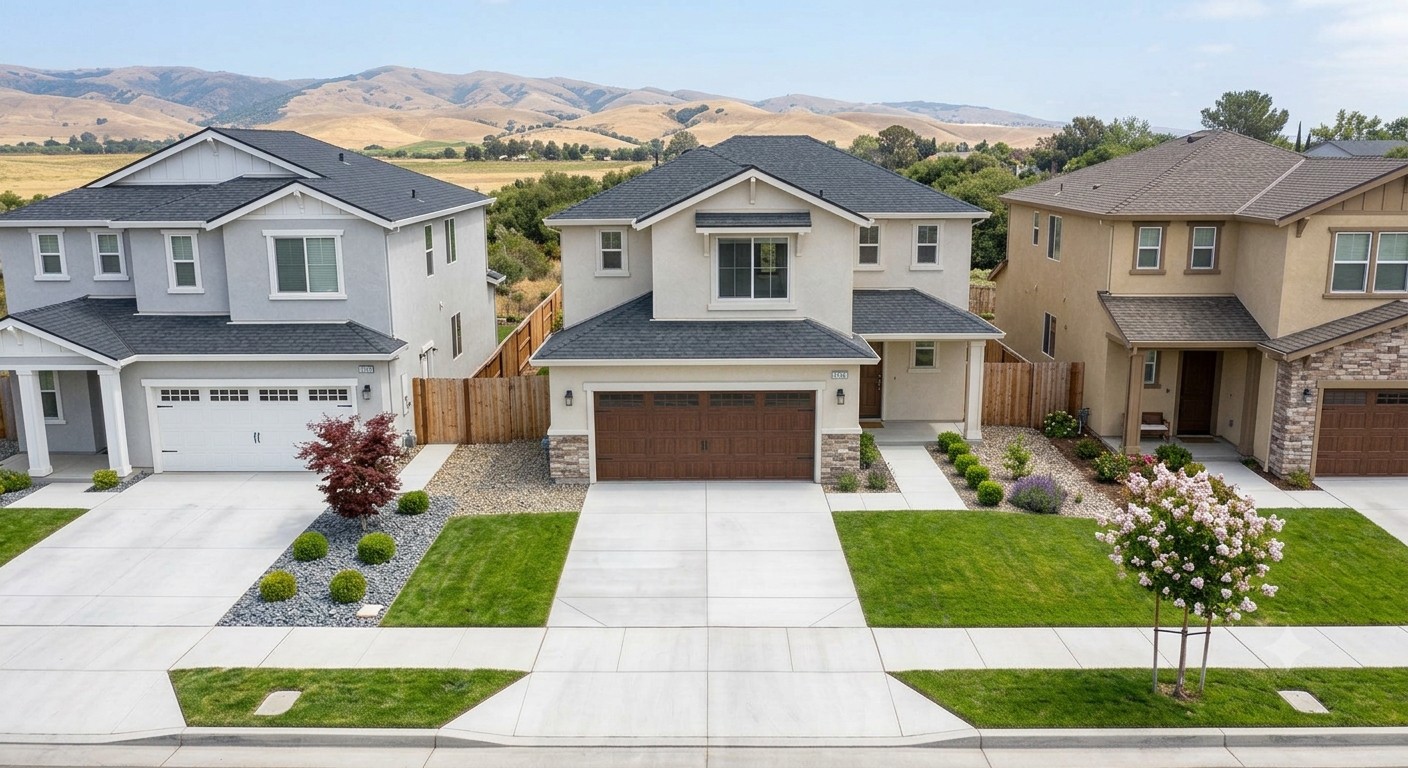
How Long Is the Cure Time for a Concrete Driveway in Los Angeles?
You just poured a new concrete driveway. Now, how soon do you get to park on it? You would think in Los Angeles, with all its sunshine and heat, you wouldn't have to wait too long. However, exercising patience is the key to getting the most out of your investment.
What is "Cure Time" for Concrete?
Before we get to timelines, let’s break down what curing actually is. Concrete doesn’t simply “dry.” It actually undergoes a chemical hydration process in which the cement bonds with water to gain strength over time.
And that is why your driveway can look rock-hard after a day or two, but still be susceptible to damage if you use it prematurely.
In Southern California, the warm climate can mean that concrete cures faster on top, but it does not cure all the way through.
What Is the Cure Time for a Concrete Driveway?
If you have a new driveway in the works or just poured one, quite possibly one of, if not the most common (and for good reason) questions homeowners ask about concrete driveways is this: How long before I can park/to drive on my new concrete driveway?
The full cure time for a concrete driveway is about 28 days on most residential projects. It is industry practice and the condition where concrete achieves near its highest design strength.
That said, curing is a process, and you don’t have to wait a full month to use it in every way.
Curing Time for New Concrete Driveway
- Foot traffic safe after 24-48 hours
- 7 days: Suitable for light vehicle traffic
- 28 days: Cured and ready for heavy vehicles
Many Los Angeles homeowners just assume the hot, dry weather dries concrete faster. Do not make this mistake. Rushing a concrete job can cause permanent problems such as surface scaling, cracking or reduced usable life.
How Soon Can You Walk on a New Concrete Driveway?
For the majority of Los Angeles driveway installations, you should be able to walk on the surface after 24-48 hours. But it’s a good idea to avoid dragging anything large and heavy, like sharp tools or anything that could leave marks, during the first day or two.
And if you have kids, pets or foot traffic in the vicinity of the driveway, it’s a smart idea to cordon off the area entirely for 48 hours at least.
When Can You Drive on a Concrete Driveway?
A question contractors often hear is: “Can I park on it in a few days?”
In the case of most regular cars and light trucks, 7 days minimum should be sufficient. The concrete at this stage has achieved nearly all of its strength and can support standard vehicle weight.
That said, avoid:
- Parking in the same place over and over
- Spinning wheels when the vehicle is standing still
- Parked near curing edges, which take longer to cure
These measures are particularly crucial in areas of Los Angeles where heavier vehicles or steep driveways factor into the equation.
When Is a Concrete Driveway Fully Cured?
At 28 days your concrete driveway is considered fully cured. This is when it’s safe to:
- Park heavy trucks or RVs
- Add sealant or coatings
- Expect maximum durability and strength
If you’re going to seal your driveway (and you should, especially in Southern California), waiting out the time it takes for proper curing means complete adhesion and long-term protection.
Effects of Los Angeles Weather on Curing Concrete
The very things that make Los Angeles a mecca for concrete work ideal weather and geology are the conditions that can lead to trouble if not closely managed.
Heat and Sun Exposure
Warm temperatures have the capacity to make the concrete cure too rapidly at the surface, resulting in shrinkage cracks. These are often avoided by the use of curing compounds or wet coverings.
Coastal Moisture
Higher humidity in coastal environments like Santa Monica or Long Beach can slow evaporation, which might be good but timing and finish matter.
Seasonal Considerations
Although there aren’t really hard winters in LA, the cooler temperatures of fall and winter nights can slow curing a little bit, which makes timing and protection just as crucial.
Ways to Keep Your Concrete Driveway Safe During the Cure Period
Assuming you’d like your asphalt driveway to last 25-30 years, here are some things you should consider and follow.
- If your contractor recommends it, continue to keep it moist during the early curing stages
- Do not subject to heavy loads on the full 28-day cure period
- Do not re-seel too soon — Wait until it has completely cured
- Avoid the edges, especially in the first week
- Follow contractor-oriented directions; mixes and conditions are different.
These little steps can go a long way to prevent damage, surface wear and cracking.
The Importance Of Proper Curing For Long-Term Durability
Skirting or shortening the cure time might not result in immediate damage, but that doesn’t mean it won’t compromise your driveway’s strength or lifespan. Incorrectly cured concrete is likely to:
- Cracking
- Surface flaking
- Oil and moisture penetration
- Costly repairs later on
Patience Pays Off
So, what is the concrete driveway cure time? Although you might be able to walk on it after a couple of days, and drive on it within about a week, allowing your slab the full 28 days to cure will ultimately give you the best performance.
Just a little patience up front will save you thousands of dollars down the line and leave you with a driveway that will look great and work awesome, decades on in the Los Angeles climate.